
 PW Exclusive, in your pocket. News, predictions & the forum — now as an app.


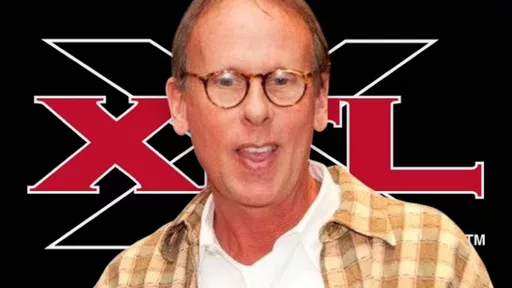
Former WWE composer Jim Johnston opened up about some of his most famous entrance themes during an appearance on The False Face podcast, revealing that Brock Lesnar’s iconic music didn’t start out as Lesnar’s at all — it was originally written for the XFL.
Johnston explained that the track first belonged to the Chicago Enforcers as part of a batch of themes he composed for the short-lived football league’s teams. When Lesnar arrived in WWE, Johnston said he had no direct hand in connecting the two — the music simply “showed up” for Lesnar rather than being pitched by him. Looking back, Johnston said the pairing worked out perfectly, calling it a case of the stars aligning since the song ended up finding “its rightful home” with Lesnar.
The composer also pushed back on Steve Austin’s long-told story about suggesting Rage Against the Machine’s “Bulls on Parade” as inspiration for his glass-shattering entrance music. Johnston said he doesn’t recall that happening, noting the theme actually grew out of promo packages WWE used during Austin’s transition away from the Ringmaster gimmick — glass break included — well before the two had ever worked together directly. He allowed that Austin may have later given input on tweaking the sound, joking, “Yeah, Steve, you pain in the ass, trying to bury me.”
Beyond the origin stories, Johnston offered a pointed critique of modern wrestling music, arguing that today’s entrance themes blend together and lack the identity that once let fans recognize a wrestler’s music from another room. He tied that directly to what he sees as a broader failure by both WWE and AEW to develop transcendent stars on the level of Austin or The Rock, suggesting companies that hit on a winning formula tend to stop innovating once the money keeps coming in. He contrasted that with Vince McMahon, who he credited with constantly pushing WWE’s presentation forward even when he disagreed with the direction.
Johnston also revealed he deliberately avoided taking creative input from talent when composing themes, saying those conversations rarely ended well since wrestlers often pushed for music reflecting their personal taste rather than their character. He likened his job to film scoring, treating each wrestler as the star of their own individual movie.
Reporting and match coverage produced by the PW Exclusive team. Articles under this byline are drafted with AI assistance and reviewed before publication — see our editorial standards for how we work.
More from PW Exclusive Staff →
Join the discussion. Free MyPWE account — comment, react and get replies.
Create free account Log in