
 PW Exclusive, in your pocket. News, predictions & the forum — now as an app.


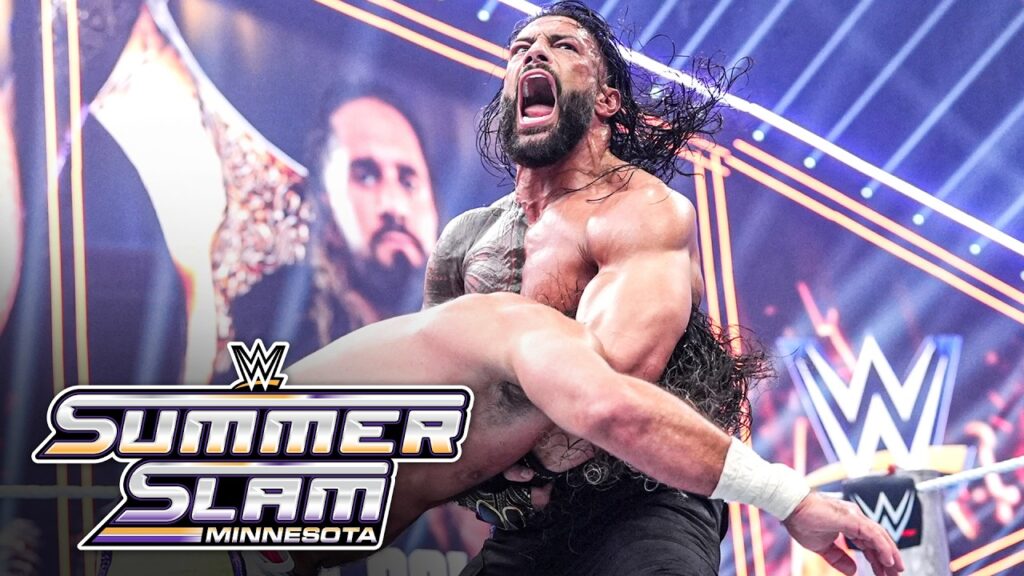
When two generations of wrestling minds agree that closing the show still means something, the rest of us should probably listen.
Every so often, a wrestler says something that sounds like a throwaway line in a media scrum but actually cuts to the core of how this whole business works. Seth Rollins did exactly that when he argued that what truly separates the matches that matter from the ones that are merely good is a simple thing: closing the show. And now Jim Ross — a man who has called more legendary main events than most of us have watched — has publicly co-signed the take.
When Rollins and JR land on the same page, that’s not a coincidence. That’s two very different eras of wrestling brain arriving at the same conclusion. So let’s dig into why the main event slot still carries prestige, why some fans have started to shrug at it, and where this debate is realistically heading.
The gist of Rollins’ point is that the final match of a premium live event isn’t just another segment on the card. It’s the statement. It’s the match the company has decided the entire night should build toward — the one they trust to send tens of thousands of people home happy and to be the last thing anyone remembers when they think about that show years later.
Jim Ross agreeing isn’t surprising if you’ve listened to him for five minutes. JR’s entire philosophy of booking and presentation is built on hierarchy and consequence: the idea that everything on a wrestling show should mean something in relation to everything else. If every match feels equally important, then nothing is important. The main event, in that worldview, is the top of the mountain — and it should look and feel like it.
Here’s the honest counterargument, and it’s not a bad one. In the modern era, the main event isn’t always the biggest match on the card. Promotions frequently stack a monster attraction match in the middle of the show, or lead with a hot title bout because the crowd is fresh, or close on a story beat rather than the flashiest workrate showcase.
SummerSlam weekend is a perfect example of how the “most important match” and “the last match” don’t always line up. You had Oba Femi’s stunning showing against Brock Lesnar inside Hell in a Cell generating enormous buzz — a moment that dominated the post-show conversation regardless of where it sat on the running order. When the internet decides what the “real” main event was, the actual card position becomes almost secondary.
So the skeptic says: prestige isn’t about slot anymore, it’s about buzz. The match everyone talks about is the main event, whether it went on at 8:30 or 11:15.
And yet — I side with Rollins and Ross, and here’s the reasoning.
Buzz is real, but buzz is also chaotic and unreliable. You can’t book a company around what the internet decides was the moment after the fact. What you can control is the architecture of your show. Card position is one of the only tangible, promotion-controlled signals of importance left in an era where kayfabe is porous and everyone knows how the sausage gets made.
Think about what the main event slot communicates before a bell even rings:
Rollins has always been acutely aware of this. He’s a guy who has main-evented WrestleMania and has spent a big chunk of his career fighting — sometimes literally in storyline — over exactly this kind of standing. When he says the main event matters, he’s speaking from the perspective of someone who understands that a wrestler’s legacy is written in large part by where they were trusted to appear, not just how good the match was.
Jim Ross’s endorsement adds the historical weight. JR called the era where the main event was sacred — where Austin, Rock, and Hogan closing a show was an event unto itself. He knows that when you erode that meaning, you’re spending down equity that took decades to build. You can undermine the main event a few times and get away with it. Do it constantly and you’ve taught your audience that the running order is arbitrary — and once it’s arbitrary, it’s meaningless.
Here’s my read, framed clearly as analysis and not any kind of insider forecast: the modern trend of “the biggest match isn’t always last” isn’t going away, and honestly it shouldn’t entirely. Sometimes a Hell in a Cell spectacle or an emotional attraction bout genuinely does play better in the middle, and creative flexibility is a good thing.
But I think Rollins and JR are drawing a necessary line in the sand at a moment when it needed drawing. The risk in wrestling right now isn’t too much reverence for the main event — it’s too little. When companies chase the algorithm and book for the clip rather than the show, the concept of a hierarchy starts to blur. And a wrestling world with no hierarchy is a wrestling world where it’s genuinely hard to make anyone into a top star, because “top” stops meaning anything.
The smartest promotions will do both: keep the flexibility to move the marquee match around when the story calls for it, and protect the main event as a genuine reward and a genuine statement the rest of the time. Rollins is essentially arguing for the second half of that equation getting more respect than it currently does. JR is nodding along. And I’d bet a lot of the roster is quietly nodding too, because every wrestler alive still wants to be the one trusted to turn the lights off.
The main event slot isn’t a relic. It’s one of the last honest signals we’ve got. Rollins and Jim Ross just reminded everyone why it’s worth protecting.
Do you think closing the show still means what it used to — or has buzz officially replaced card position? Sound off in the comments.
Reporting and match coverage produced by the PW Exclusive team. Articles under this byline are drafted with AI assistance and reviewed before publication — see our editorial standards for how we work.
More from PW Exclusive Staff →



Join the discussion. Free MyPWE account — comment, react and get replies.
Create free account Log in