
 PW Exclusive, in your pocket. News, predictions & the forum — now as an app.


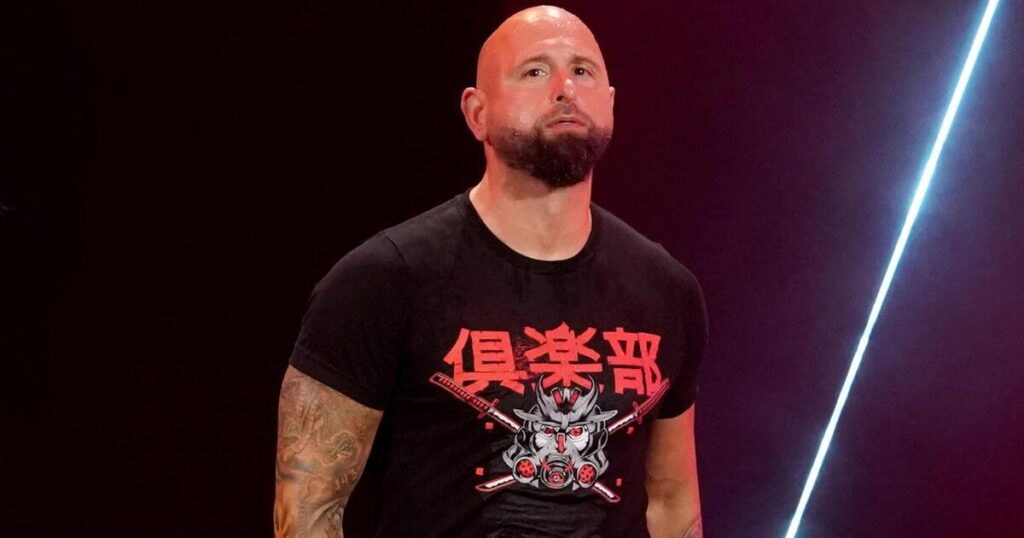
Karl Anderson says his decision to sign with WWE while still holding NJPW’s NEVER Openweight Championship set off a far angrier reaction from fans than he ever anticipated — one that reportedly included death threats.
Anderson has opened up about how messy the situation became at the time. Leaving New Japan Pro-Wrestling mid-title-reign put him in an awkward spot, since his outstanding NJPW commitments didn’t line up cleanly with his new WWE deal. That overlap, combined with the optics of a reigning champion walking out the door, apparently struck a nerve with a vocal segment of the fanbase who felt he was abandoning the promotion and the title without proper closure.
It’s a reminder of just how seriously wrestling fans — particularly NJPW’s notoriously passionate international audience — treat championship legitimacy and loyalty to the promotion. Titles in New Japan carry a certain sanctity in the eyes of hardcore fans, and a champion bolting for a rival company, especially one as dominant globally as WWE, can be read as disrespecting the lineage of the belt and the promotion that built him.
Anderson, of course, is no stranger to either side of this equation. As part of Bullet Club and later The Good Brothers alongside Luke Gallows, he built his reputation in NJPW before becoming a fixture in WWE, only to bounce between the two organizations multiple times over the years. That kind of back-and-forth career path is fairly common for wrestlers who came up through the international independent and Japanese scenes, but it doesn’t always sit well with purists who see NJPW as a promotion deserving of undivided commitment, at least while a wrestler is champion there.
The fact that Anderson is only now speaking publicly about the death threats underscores how personal and toxic reactions can get in the social media era, where a business decision — leaving one promotion for another — can spiral into targeted harassment. It’s not the first time a wrestler has described that kind of backlash, but it’s a stark illustration of how high the stakes feel to fans who see championship belts as more than just storyline props.
Whether this incident factored into how Anderson has approached his career decisions since, or how NJPW handled the vacancy of the title he left behind, wasn’t detailed. But the story adds another layer to the broader conversation about talent freely moving between WWE, AEW, and NJPW in an increasingly interconnected wrestling landscape — and the friction that can still occur when a champion’s exit doesn’t go the way fans expect.
For now, Anderson’s comments serve as a pointed reminder that even in an era of working relationships between promotions, some fans still draw hard lines when it comes to championship gold changing hands off camera.
Reporting and match coverage produced by the PW Exclusive team. Articles under this byline are drafted with AI assistance and reviewed before publication — see our editorial standards for how we work.
More from PW Exclusive Staff →
Ospreay vs Moxley headlines as AEW returns to Chicago
Visit the Hub
Join the discussion. Free MyPWE account — comment, react and get replies.
Create free account Log in