
 PW Exclusive, in your pocket. News, predictions & the forum — now as an app.


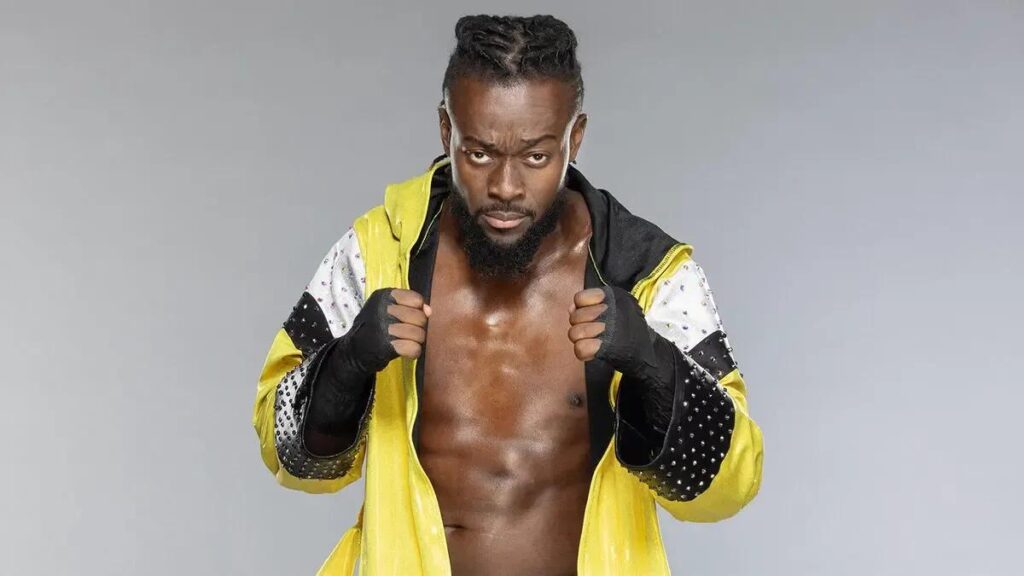
A pair of quiet trademark filings tell you exactly how one of WWE’s longest-tenured stars is thinking about life after the pin.
On the surface, it’s the kind of story that scrolls past you in three seconds. Kofi Kingston filed some paperwork. No title change, no surprise return, no viral promo. But if you’ve watched the wrestling business long enough to know how these things work, a filing like this is a tell — a glimpse into how a veteran is quietly building the machinery of a life that outlasts any single run on television.
According to the report on Kingston filing trademarks for his real name and ‘KSM’, the paperwork went in on August 11, adding a fresh layer to how one of the most durable performers of his generation intends to carry his brand forward. Let’s unpack why that matters more than it looks.
Trademark filings in wrestling have become a routine part of the modern performer’s toolkit. When a wrestler files to protect a name, a phrase, or a nickname, they’re staking a legal claim to use that identity on merchandise, media, and any number of commercial ventures down the road. It’s the paper trail of someone who understands their name has value beyond the ring.
The key wrinkle here is which names Kingston went after. Not “Kofi Kingston” — that ring name has long been associated with his employer, the way most in-company personas are. Instead, he moved to protect marks tied to his actual identity and a personal shorthand in “KSM.” That distinction is the whole story. A performer securing their real name is a performer thinking about who they are when the character clocks out — permanently or otherwise.
To understand why this is significant, you have to appreciate just how long Kingston has been a fixture. He debuted in WWE’s main-roster picture back in 2008 and has been a near-constant presence since — a multi-time champion, one half and one third of some of the most beloved tag and trios acts of the modern era, and the emotional center of one of the great feel-good title runs the company ever produced. He is, by any honest accounting, one of the most tenured full-time performers on the roster.
That tenure is exactly why the real-name play is so pointed. When you sign with a promotion, the persona you build under their banner is typically theirs. The flashy nickname, the entrance gimmick, the merchandise design — much of it lives inside the company’s intellectual property. Wrestlers learn, sometimes the hard way, that the name that made them famous isn’t necessarily a name they can walk out the door with. The ones who plan ahead build a second identity — a personal brand anchored to something they’ll always own: themselves.
We’ve watched a whole generation of performers internalize this lesson. The smartest ones treat their careers like a business from day one, understanding that a run on TV is the marketing budget for everything that comes after it — the podcasts, the merch lines, the acting roles, the conventions, the content. Kingston filing on his real name is him quietly joining that club, or rather formalizing membership he’s probably held in his head for years.
Here’s my read: this isn’t a signal that anything dramatic is imminent. Reading a trademark filing as a resignation letter is how rumor mills embarrass themselves. What it actually signals is maturity — the mindset of a performer who’s been around long enough to know that the smartest time to build your exit ramp is while you’re still on the highway.
Consider the leverage a veteran carries. Decades of goodwill. A fanbase that has grown up with him. Name recognition that reaches well past the hardcore audience into the casual, mainstream space where the real money in personal branding lives. All of that equity currently sits under a company banner. Trademarking his real name and a personal mark is Kingston beginning to move some of that equity into an account he controls outright.
And it’s a trend worth watching across the board. Personal-brand thinking is everywhere in wrestling now — from stars leveraging their crossover appeal in mainstream spots, the way we saw with the Raptors schedule reveal crossover, to the endless off-screen content creation that keeps performers relevant between segments. The players who thrive in the next decade won’t be the ones with the flashiest finisher; they’ll be the ones who understood that their name is a business.
Let me be clear about what I’m arguing and what I’m not. I am not reporting that Kingston is leaving anywhere or that any plan exists. I have no idea, and neither does anyone reading a trademark database. What I am saying is that these filings represent optionality — and optionality is exactly what a smart veteran wants.
Realistically, here’s how a play like this pays off:
None of this requires an exit. Plenty of stars build robust personal brands while staying happily employed for years — the two aren’t in tension. If anything, a company should want its veterans thinking this way, because a star who feels like a valued business partner is a star who sticks around and delivers.
The takeaway isn’t drama. It’s respect. Kingston has spent the better part of two decades entertaining people, and the quiet, unglamorous act of filing trademarks on his own name is the move of someone who intends to keep controlling his story long after the ring lights dim. That’s not a red flag. That’s a veteran playing chess while everyone else refreshes for breaking news.
So what’s your read — smart housekeeping from a savvy vet, or a tea leaf worth watching? Drop your take in the comments.
Reporting and match coverage produced by the PW Exclusive team. Articles under this byline are drafted with AI assistance and reviewed before publication — see our editorial standards for how we work.
More from PW Exclusive Staff →

Join the discussion. Free MyPWE account — comment, react and get replies.
Create free account Log in