
 PW Exclusive, in your pocket. News, predictions & the forum — now as an app.


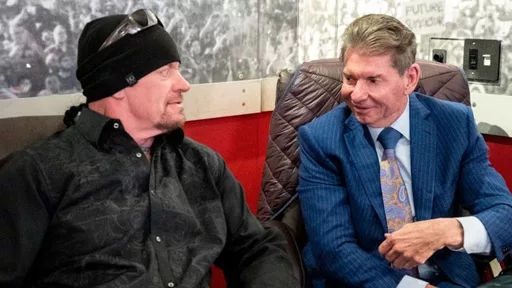
Vince McMahon spent decades running WWE with a reputation for never conceding a creative argument, but The Undertaker says there was exactly one exception in more than 30 years working together — and it happened after the debut Punjabi Prison match at The Great American Bash 2006.
Speaking on his podcast Six Feet Under, The Undertaker walked through the disagreement that led to that rare moment. The match, originally planned for The Great Khali, ended up featuring The Big Show after Khali was unable to compete. The bigger issue, according to The Undertaker, wasn’t the opponent — it was how he was supposed to escape the towering structure to win.
McMahon wanted The Undertaker and Big Show to brawl their way out through the gate of the prison. The Undertaker pushed for something more visually dramatic: climbing from the inner cage to the outer wall and exiting that way, betting that the unexpected spot would land better with the crowd. The two went back and forth until McMahon shut the conversation down and insisted they do it his way. The Undertaker says he warned him bluntly that the finish would fall flat — and that if it did, it would be on McMahon.
According to The Undertaker, that’s exactly what happened. The escape through the gate didn’t get the reaction either man was hoping for, and in the aftermath, McMahon quietly muttered that The Undertaker had been right about the cage spot before walking away without another word. For a locker room and a working relationship built on McMahon rarely, if ever, backing down from a creative call, The Undertaker described that brief acknowledgment as a genuine victory — one he says never repeated itself across three decades in the company.
The Punjabi Prison stipulation didn’t disappear after that shaky debut. It resurfaced in 2007 with Batista defending against The Great Khali, and again a decade later when Randy Orton and Jinder Mahal used the structure at Battleground 2017. Both follow-up matches leaned into the same basic escape concept McMahon had favored in 2006, for better or worse.
Stories like this have become a staple of The Undertaker’s post-retirement media run, offering a rare inside look at how creative decisions actually got made at the top of WWE during the Attitude Era and beyond. McMahon was famously hands-on with match finishes and stipulations, often overriding talent input, so an anecdote where he was talked into changing his mind — even briefly, even after the fact — stands out. It’s a small story, but it says a lot about the dynamic between one of WWE’s most respected in-ring minds and the promoter who rarely lost an argument.
Reporting and match coverage produced by the PW Exclusive team. Articles under this byline are drafted with AI assistance and reviewed before publication — see our editorial standards for how we work.
More from PW Exclusive Staff →
Get all the latest ahead of AEW's return to Wembley Stadium
Visit the Hub
Join the discussion. Free MyPWE account — comment, react and get replies.
Create free account Log in